

Last winter, a neighbor showed me her electricity bill. She'd just replaced every bulb in the house with LEDs and sealed a drafty back door — the usual starter pack. Her bill had dropped by $11 a month. She was baffled. The work was real, the savings weren't, because she'd spent her weekend on the two things that matter least. Meanwhile, the real culprit sat in her basement: a 22-year-old furnace cycling on and off all night, and a water heater set to a temperature you could brew tea at.
That's the thing about energy-efficient home improvements that lower utility bills. The advice that circulates most widely is usually the advice with the smallest payoff. So before you spend a cent, you need to know where your money actually goes — and which improvements are worth the disruption they cause.
Key Takeaways
- Heating and cooling is the single largest slice of most household energy use, followed by water heating. Fix those before anything cosmetic.
- Low-cost fixes (air sealing, weatherstripping, smart thermostats) can pay back in months; major systems take years but cut bills permanently.
- Federal tax credits exist for qualifying improvements, but they have category caps and an annual ceiling — you can't claim the full amount on one project.
- An energy audit costs a few hundred dollars and is the only reliable way to know which retrofit will actually move your bill.
- Not every upgrade is worth it in every house. Climate, fuel type, and how long you plan to stay all change the math.
Where your energy money actually goes (and why most advice ignores it)
Ask ten homeowners what runs their electric bill the most and you'll get ten answers, most of them wrong. People guess the refrigerator, the dryer, the pool pump. In a typical home, space heating and cooling together account for roughly half of total energy use. Water heating is the next big block, somewhere around a fifth. Everything else — lighting, electronics, appliances — splits the remainder.
Which means the LED overhaul your neighbor did was fighting over scraps. It's not that LEDs are pointless. They cut lighting energy dramatically. But lighting was already a small slice of her bill, so the absolute savings stayed small. The furnace was eating five times as much.
What runs your electric bill the most?
In most homes, space heating and cooling is the biggest driver, followed by water heating, then appliances and lighting. If you live in a hot climate, air conditioning may dominate your summer bills; in a cold one, heating takes over in winter. The exact split depends on your region, your fuel type, and how leaky your house is — which is why a generic list of "top tips" rarely delivers, and why the priority order below matters more than the individual items.
The hierarchy nobody mentions
Spend money in this order and you'll get far more for each dollar:
- Stop the leaks — air sealing and insulation. Cheap, unglamorous, enormous impact.
- Then fix the systems — heating, cooling, water heating. Expensive, but they run the bill.
- Then the controls — thermostats, scheduling, monitoring. Cheap again, and they make the systems behave.
- Finally the small stuff — LEDs, efficient appliances, power strips. Nice, but last.
I learned this the hard way. My first year in an older house, I replaced the fridge with a high-efficiency model and felt virtuous. The bill barely moved. The following spring, I had the attic air-sealed and added insulation. That one job cut my winter heating costs by roughly a fifth. Same house, same family, same thermostat habits.
Low-cost improvements that pay back fast
Before you call a contractor, there's a set of fixes you can do yourself over a weekend, and they tend to pay back within a season or two.

Air sealing and weatherstripping
Drafts are where heat escapes in winter and where cool air leaks out in summer. Gaps around windows, doors, electrical outlets, and the attic hatch add up. A tube of caulk and a roll of weatherstripping cost less than a takeout dinner. The payoff is real, because you're not heating the outdoors anymore.
A smart thermostat you actually program
The device itself doesn't save much. What saves money is not heating an empty house. A smart thermostat sets back the temperature while you're at work and while you sleep, and it does it consistently — which is the part humans fail at. I'll admit I ignored my old manual thermostat for months. Automating the setbacks alone shaved a noticeable amount off my winter bills.
Turning down the water heater
Most water heaters ship set higher than they need to be. Nudging the dial down to a safe, comfortable setting trims standby losses with zero cost and zero tools. It's the single cheapest change on this list, and almost nobody does it.
Bigger investments that cut bills permanently
The fixes above lower the bill. The improvements below change its floor. They cost real money, but they keep paying every month for as long as you own the house.

Insulation, especially the attic
Heat rises and escapes through a poorly insulated attic faster than anywhere else. Adding insulation is messy, unexciting work, and it's frequently the highest-return upgrade available. In older homes, the existing insulation is often thinner than current recommendations for the climate zone. The ROI is measured in a handful of heating seasons, not decades.
Heat pumps and modern HVAC
If your furnace or AC is past its useful life, its replacement is your biggest lever. Modern heat pumps move heat rather than generating it, which makes them far more efficient than old resistance systems or aging furnaces. The catch? The upfront cost is significant, and the savings depend on your climate. In a mild region, the payback is quicker; in a brutal one, it's longer but still real.
| Improvement | Rough upfront cost | Typical payback | Best for |
|---|---|---|---|
| Air sealing & weatherstripping | Low | Under a year | Drafty older homes |
| Smart thermostat | Low | 1–2 years | Anyone who forgets to adjust |
| Attic insulation | Moderate | 2–4 years | Colder climates |
| Heat pump / HVAC replacement | High | Several years | Aging systems at end of life |
| Windows (full replacement) | High | Long | Only when already replacing |
Notice windows at the bottom. New windows look like the obvious fix, but full replacement is expensive and the energy savings are modest compared to sealing and insulation. If a window is failing anyway, upgrade it. If it's just drafty, seal it first.
What qualifies as energy-efficient home improvements for taxes?
The federal government offers a tax credit for certain home energy improvements, and it's worth understanding its shape before you buy anything. Qualifying work generally falls into two buckets: building-envelope improvements — insulation, windows, doors, and the air-sealing materials that go with them — and residential energy property, which covers equipment like heat pumps, water heaters, and efficient heating and cooling systems.
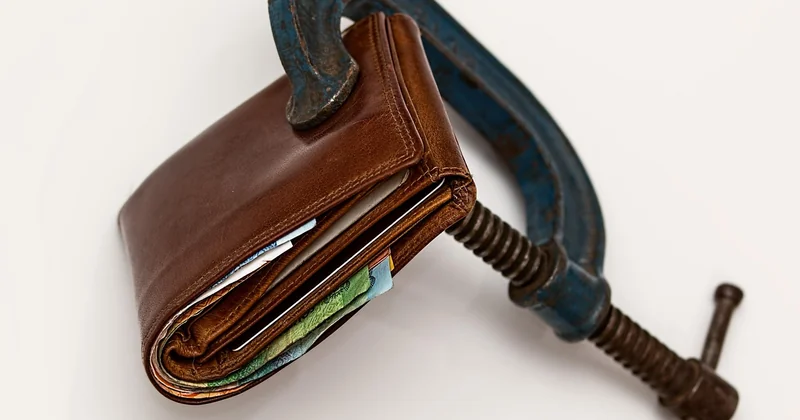
Here's the part most people miss: the credit has category caps and an annual ceiling. You can't claim the full benefit on a single project, because the envelope items share one cap while the equipment items sit under a separate one. The annual ceiling limits how much you can claim in total across a given tax year. So if you're planning a big retrofit, it can make sense to spread the work across two tax years rather than cramming it into one.
The 2025 and 2026 credit: what to know
The credit has been available in recent tax years, and for the 2025 and 2026 tax years the structure has stayed broadly similar: a percentage of the cost of qualifying improvements, subject to the category caps and the annual ceiling. Rules can change, and the specifics of what counts — and how much — depend on your situation. Before committing to a purchase, confirm the current requirements for the tax year in which you'll file, and keep your receipts and manufacturer certifications.
Do I need a worksheet to figure out my credit?
Often yes. Because the credit has multiple category caps and an overall ceiling, a worksheet helps you track how much of each cap you've used and how much remains. If your return is complicated, a tax professional can walk you through it — guessing at the math is how people leave money on the table or claim too much.
How can I drastically reduce my electric bill?
Drastic cuts come from attacking the biggest loads, not from a hundred small tweaks. Three moves do most of the work:
- Cut the heating and cooling load. Seal, insulate, and set a sane thermostat schedule. This is the largest single lever.
- Efficient water heating. Lower the temperature, insulate the tank and pipes, and consider a heat-pump water heater when yours gives out.
- Change behavior where it counts. Not the lightbulbs — the HVAC schedule, the dryer, the pool pump, the space heaters people plug in to compensate for a cold room.
One honest caveat: "drastic" is relative. A well-built home that's already efficient has little fat to trim. An old, leaky one can see its bill fall by a third or more with the right sequence of work. Your starting point determines your ceiling.
Free steps to take before spending anything
An energy audit is the highest-value move you can make, and many utilities offer one at low or no cost. It tells you exactly where your house loses energy and which fix will pay off first. My first audit found a basement duct leak I'd never have guessed at, and fixing it improved both my heating and my cooling bills in one shot. Without that report, I would have guessed wrong.
The honest truth about payback
Energy improvements are an investment that pays you monthly, but the returns vary wildly by house. Two identical upgrades on two different homes can produce savings that differ by half, because climate, fuel type, and how leaky the building already is all shift the math. That's why a checklist copied from the internet will disappoint you and a targeted audit won't.
Start with the audit. Fix the leaks. Address the systems when they're due for replacement. And when the utility credit and the tax credit stack up, that's when the numbers finally make sense.
The bill on my desk in February was the lowest I'd seen in six years — not because I found one magic upgrade, but because I stopped spending on the cheap fixes first and finally went after what was actually running the meter. The lightbulbs came last. They always should.


